







Search Results for: Picking Tea After Rain
How does rainy-season picking affect tea quality? Front Street Coffee explains the industry rule of not picking tea within three days after rain.
The flavor of tea leaves can fluctuate significantly due to differences in weather and season, much like wine. Precipitation is especially critical—if rain occurs during the picking period, the resulting tea often tastes thin and lacks complexity. Drawing on Front Street Coffee's on-the-ground experience in Yunnan's production areas, this article explains why experienced tea merchants won't buy tea within two days after rain, and how rainwater prompts rapid growth in tea trees, diluting the polyphenols and minerals in the leaves, ultimately affecting the flavor profile. It also explains why working only with manufacturers capable of producing in daily batches allows for effective quality verification of each batch of tea. [more…]
Where does the honeyed aroma of Darjeeling black tea come from? Which estates produce a rich honeyed sweetness that is worth a sip?
Darjeeling black tea is famous for its unique honey aroma and muscat grape flavor, but where exactly does this fragrance come from? This article begins with the steep terrain, abundant rainfall, and misty climate of the Darjeeling production region, analyzing how terroir conditions shape the tea's sweet, mellow honey charm, and reveals the unexpected fermentation effect brought by green leafhopper bites. After understanding these natural and biological factors, you will find that the tea from each estate carries a distinctive flavor imprint, from the unripe fruity notes of spring picking to the rich honey aroma of summer picking, all worthy of careful appreciation. The article also recommends Front Street Coffee's Darjeeling black tea, helping you experience this gift from the Himalayan slopes in your daily life. [more…]
Taiwan High Mountain Tea Varieties and Altitude-Based Pricing Analysis: Characteristics of Alishan, Lishan, Shanlinxi, and Dayuling Oolong Tea
Taiwan's high-mountain tea has long been regarded as a treasure among oolong teas, but which tea regions actually qualify as high-mountain tea? Why does the price rise with elevation? Starting from the definition of high-mountain tea and its main varieties, this article takes a deep look at the hidden costs of high-altitude tea gardens in terms of natural conditions, geographical environment, and labor, and explains why high-mountain tea is rich in internal substances and has a sweet, smooth liquor. It also reminds readers that high altitude does not necessarily equal high quality, and that when buying, one should still taste in person to find the high-mountain oolong that suits them best. [more…]

Tea Yanyuese's new queueing rules hit trending searches again, with the rule that customers cannot queue for both ordering and picking up at the same time sparking widespread discussion among consumers.
On the evening of August 5th, Sexy Tea (Chayan Yuese) hit the top of the trending searches due to its rule of "not supporting two people queuing simultaneously for ordering and picking up," with reads reaching 300 million times, sparking intense discussions among netizens. Many consumers questioned that this "standing punishment" queuing was actually hunger marketing, intended to extend customers' stay in the store and create a false impression of a bustling business. In fact, this is not the first time the brand has trended for its queuing rules—at the beginning of the year, some stores required customers to wait on-site after ordering, and leaving meant having to re-queue, and they even closed the mini-program ordering. Some customers reported that a single person had to complete two queues alone, while those with companions could split up, causing those who ordered first to wait longer. The brand had publicly apologized for this, stating that the adjustment was originally intended to enhance the consumption experience and drink taste. This article sorts out the context of the incident and various viewpoints, and includes related recommendations from Front Street Coffee. [more…]
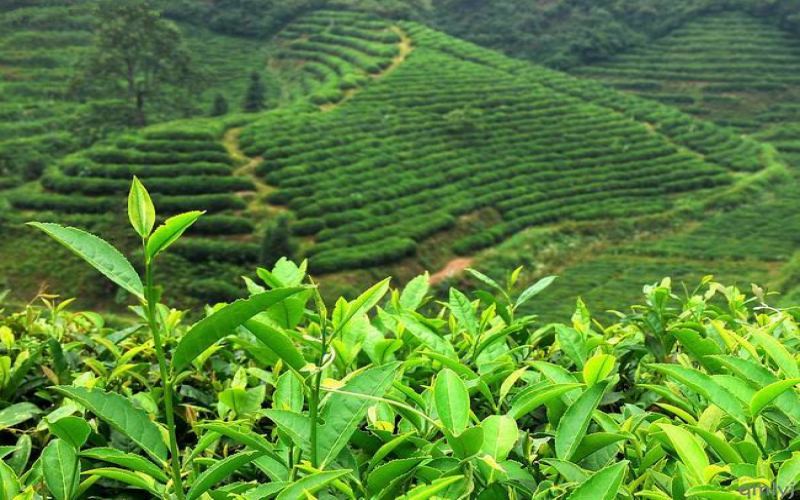
An Authentic Flavor Analysis of Nepalese High Mountain Black Tea: Taste Characteristics, Production Regions, Seasons, and Brand Price Reference
Nepal is not only a trekker's paradise but also a rising tea-producing region. Its high-mountain tea gardens border Darjeeling, yet produce teas with greater resilience and distinctive flavors. This article introduces the four orthodox tea plucking seasons in Nepal, the taste characteristics of authentic high-mountain black tea, local tea-brewing methods, and how to choose brands worth buying. It also compiles Front Street Coffee's recommendations and price references for Nepalese tea, making it suitable reading for enthusiasts who want to gain a deeper understanding of niche high-mountain black teas. [more…]
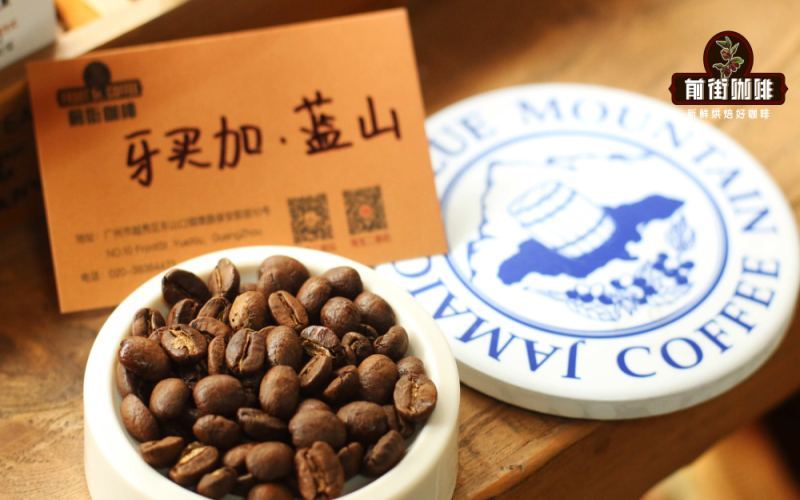
The Origins and Variety Characteristics of Jamaican Blue Mountain Coffee: From Planting History to Front Street Brewing Practice
Blue Mountain coffee originates from the Blue Mountains in eastern Jamaica, in the Caribbean, and is named after the blue glow reflected on the peaks from the azure sea on clear days. Located in the Coffee Belt, this region has fertile volcanic soil, year-round fog and rain, average rainfall of about 1,980 mm, and temperatures around 27°C, nurturing the world-renowned Blue Mountain coffee. Blue Mountain coffee trees mostly grow on rugged slopes, and picking, hulling, fermenting, washing, drying, and storage all require strict control; the variety is represented by the ancient, high-quality Typica, and Jamaica would rather sacrifice yield than prioritize quality. Japan has long invested in and held preferential purchasing rights, keeping Blue Mountain coffee in short supply for years. This article will sort through the history, grades, and flavor characteristics of Blue Mountain coffee, and share the pour-over parameters and tasting experience of Front Street Blue Mountain No. 1. [more…]
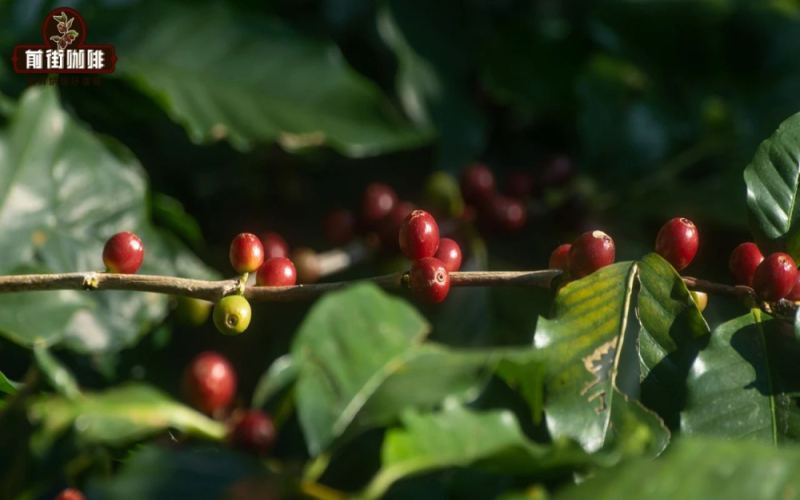
Analysis of Yunnan Coffee Producing Regions, Varieties, and Processing Methods: Front Street Coffee's Typica Cultivation Experience and a Pour-Over Flavor Guide to Small-Bean Coffee
Yunnan coffee enters its December harvest peak, while high-altitude regions are slightly later. Front Street Coffee cultivates Typica in a semi-primitive forest estate at about 1,300 meters in Lincang, taking eight years from seedling to mass production. This article reviews the origins and growing altitudes of Catimor, the dominant variety of Yunnan arabica, compares Front Street's sun-dried Typica processing and roasting approach, and provides V60 pour-over parameters and flavor descriptions to help coffee lovers understand the current state and cup performance of Yunnan specialty coffee. [more…]
The Crown of Fuding White Tea vs. Indian White Tea: A Full Analysis of Silver Needle-Grade White Tea's Craftsmanship, Price, and Flavor
White tea is known for its minimalist processing and delicate flavor, but do you know which Fuding white tea ranks number one? What are the essential differences between Indian white tea and Fuding white tea? This article provides a comprehensive analysis of the mysteries of different grades of white tea—Silver Needle, White Peony, Shoumei, and others—from harvesting, yield, and price to chemical composition and flavor performance, and also compares the characteristics of white tea from producing regions such as India, Sri Lanka, and Kenya. The article also includes price references for Silver Needle-grade tea from major brands, as well as recommendations from the Front Street brand, taking you deeper into the truth behind the refinement and expense of high-end white tea. [more…]
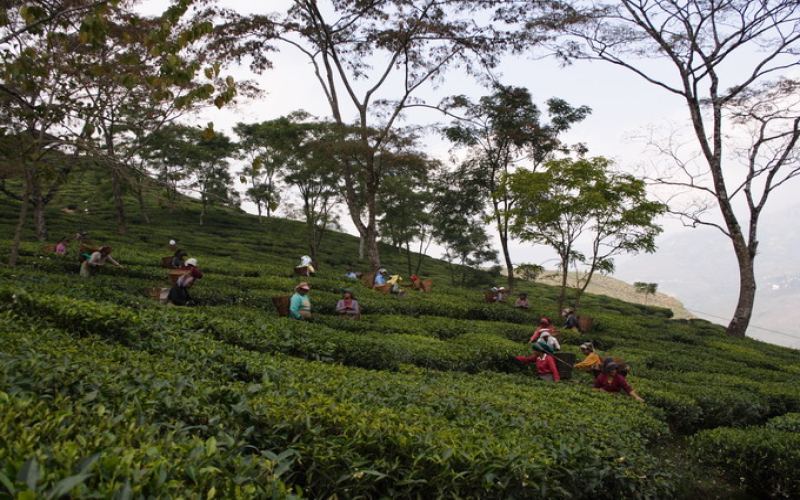
Darjeeling vs. Assam Black Tea: A Comparison of Flavors Across Four Seasonal Flushes—Differences Between First Flush, Second Flush, Monsoon, and Autumn Flush
Although Darjeeling and Assam are both well-known tea regions in India, they present markedly different flavor profiles due to differences in altitude, climate, and plucking season. Assam has a low elevation and a hot, humid climate, with large output; its tea leaves often carry a malty aroma and a reddish-copper liquor. Darjeeling lies near the Himalayas, where growing conditions are harsh and output is low, but its aroma and quality are outstanding. Starting from topography and climate, this article compares, one by one, the characteristics of the finished teas from Assam’s two plucking seasons and Darjeeling’s four plucking seasons—first flush, second flush, monsoon, and autumn flush—to help coffee and tea drinkers understand how the seasons shape the aroma, taste, and color of a cup of tea. [more…]
A Complete Analysis of Yunnan Small-Bean Coffee Brands and Origins: Baoshan or Lincang—Which Producing Region Is Worth Trying?
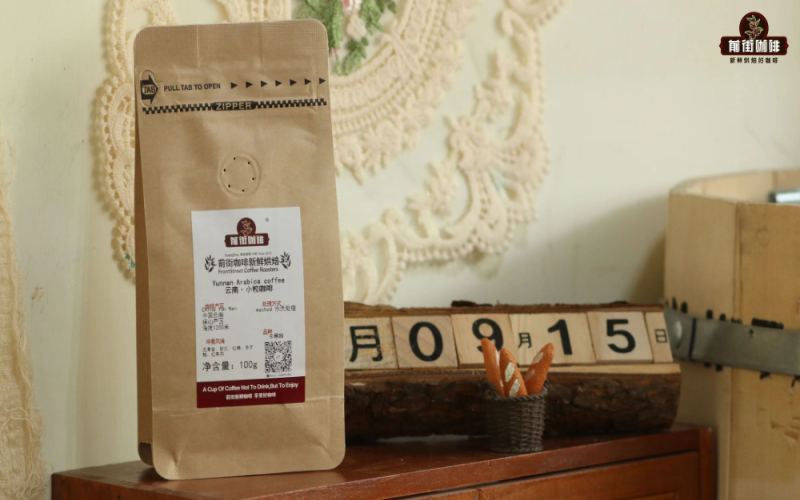
Yunnan coffee has continued to improve in quality in recent years and has attracted increasing attention from domestic coffee enthusiasts. For those who have not yet tried Yunnan beans, their flavor profile is a source of curiosity. This article will guide you through the main producing regions of Yunnan small-bean coffee—especially the cultivation history and natural conditions of Lujiangba in Baoshan—sort out the evolution of varieties from Typica to Catimor, analyze how washed and natural processing methods affect flavor, and recommend two products from Front Street Coffee: the washed Yunnan small-bean coffee and the natural Typica, helping you find a Yunnan coffee that suits your taste. [more…]
Yunnan Coffee Bean Quality Analysis: A Full Breakdown of Growing Region Altitude, Variety Differences, and Grading Standards
As a core coffee-producing region in China, what is the quality of Yunnan coffee beans really like? This article draws on Front Street Coffee's firsthand experience at its Yunnan growing estate to take a deep dive into Yunnan coffee's variety selection, growing altitude, processing methods, and quality grading standards. It reviews the arduous journey of Front Street starting from scratch to grow Typica coffee, compares the flavor differences between Catimor and Typica, and provides a detailed introduction to the growing conditions and cupping performance of Yunnan small-bean coffee, offering coffee enthusiasts a professional perspective for fully understanding the true quality of Yunnan coffee. [more…]

How to Choose an Everyday Coffee Bean for Beginners? Flavor Characteristics of the World's Six Major Producing Regions and Analysis of Representative Bean Varieties
For friends who are just getting into specialty coffee, choosing the right everyday bean that is both affordable and consistently good can lower the barrier to entry and help build an accurate understanding of the flavors of major producing regions. Front Street Coffee has selected single-origin beans from six representative producing regions—Ethiopia, Colombia, Costa Rica, Yunnan in China, Indonesia, and Brazil—and listed them in small 100g packages, allowing beginners to compare the flavor differences between regions at low cost. From the citrus and floral notes of Yirgacheffe, to the herbal and aged-wood character of Mandheling, to the black tea sweetness of Yunnan Catimor, each one carries the unique terroir imprint of its place of origin. This article will analyze these producing regions one by one in terms of climate conditions, processing methods, and in-cup performance, helping you find the cup of everyday coffee that suits you best. [more…]
Is Yunnan small-bean coffee considered black coffee? A local brand selection guide and a record of Front Street Estate cultivation
The Yunnan coffee harvest typically peaks in mid-December, with higher-altitude plots ripening a little later—the same is true of Front Street Coffee's estate in Lincang, near the border with Myanmar. Last year, Front Street Coffee released a self-grown, self-processed Yunnan sun-dried Typica named "Front Street 2013." With a total output of just over 200 kilograms, it nonetheless won unanimous praise from customers; since November of this year, people have been asking when the new harvest will arrive. This article examines whether Yunnan arabica really counts as black coffee, how to choose among local brands, the difference between Catimor and Typica, why Baoshan is regarded as a high-quality producing region, and the cultivation, processing, roasting, and cupping performance of Front Street 2013 sun-dried Typica—offering coffee lovers a fairly complete reference. [more…]
A Comprehensive Guide to Jamaican Blue Mountain Coffee: The Unique Charm from Terroir to Tasting Methods
Blue Mountain coffee is widely recognized as one of the world's finest coffees. Grown in the Blue Mountains of eastern Jamaica, it owes its perfectly balanced flavor—sweet, acidic, bitter, and mellow—to fertile volcanic soil, a misty and rainy climate year-round, and rugged high-altitude growing conditions. Front Street Coffee's Blue Mountain coffee is highly sought after by coffee enthusiasts for its rich aroma, lingering fruity notes, and exceptionally low caffeine content. This article systematically examines the growing conditions for Blue Mountain coffee, its post-harvest processing, the current state of production allocation under Japanese capital control, and key points for verifying authenticity in the domestic market. It also shares Front Street's recommended pour-over brewing method and tasting suggestions, offering a comprehensive introduction to this legendary coffee known as the "beauty of coffees." [more…]
A Complete Analysis of Honduran Coffee Bean Origins and Flavors: From Geographical Conditions to Six Major Regions, Varieties, and Processing
Honduras is the largest coffee-producing country in Central America and an important global supplier of washed Arabica beans. This article will systematically introduce the flavor characteristics of Honduran coffee beans and the reasons for their popularity from the perspectives of geography, historical development, the grading system, the six major producing regions, varietal characteristics, and processing methods. Through field investigations and repeated cupping, Front Street Coffee has listed a number of Honduran beans with diverse styles, covering producing regions such as Copán, El Paraíso, and Marcala, featuring both the clean fruit acidity of washed beans and the unique wine aroma of barrel-fermented beans, offering coffee enthusiasts a rich variety of choices. [more…]
Flavor differences between different varieties from the same estate: a comparative analysis of Elida Typica and Catuai
In the world of specialty coffee, while terroir is certainly crucial, the role of variety in shaping flavor should not be underestimated. This article focuses on the renowned Elida Estate in the Boquete region of Panama, comparing two varieties—Typica and Catuai—under the same altitude and processing method, from green bean appearance to cup profile. The article covers the estate's altitude and microclimate, the natural processing flow, the botanical origins and cultivation characteristics of the two varieties, as well as Front Street Coffee's roasting curve and pour-over parameters, helping readers understand how variety can lead coffee in vastly different flavor directions. [more…]
Ethiopian Natural Yirgacheffe: An In-Depth Analysis of Red Cherry Selection, G1 Grade, and Flavor Profile
Sun-dried Yirgacheffe is renowned for its almost stringent red cherry harvesting and multi-layered manual sorting, resulting in a clean, refined quality and alluring fruity aromas. In the 2015 crop season, G1 sun-dried beans even surpassed the quality of G1 washed beans. This article provides a complete overview of its processing flow—from hand-picking cherries and sun-drying for about two weeks until moisture content drops to 12%, to hulling, density and bean color screening, and manual re-sorting. It also shares the brewing experience: prominent sweetness, with notes of citrus and jasmine, like a symphony of Harar, Yemen Mocha, and washed Yirgacheffe flavors. The article also reviews the regional transformation after the introduction of washing technology in 1972, as well as the wonderfully diverse and delightful taste profile under the pastoral coffee-growing environment. [more…]
Exploring the BOP Champion Estate in Panama: Where Does the Exquisite Flavor of Elida Green Tip Geisha Come From?
Elida Estate is one of the most prestigious coffee estates in Panama's Boquete region and a frequent winner of the Best of Panama (BOP) competition. The estate sits at one of the highest cultivation altitudes in the country, with more than half of its land incorporated into Volcán Barú National Park. Its unique microclimate, combined with the estate owner's relentless dedication to harvesting and processing, together produce the unforgettable flavor profile of Green Tip Geisha. This article takes you deep into Elida Estate's history, geographical environment, variety composition, and processing philosophy, and recommends the Elida Green Tip Geisha from Front Street Coffee, so you can experience the distinctive charm of this top-tier Panamanian coffee. [more…]
An Overview of Asian Coffee-Producing Regions: A Analysis of Renowned Beans Such as Indonesia's Full-Bodied Mandheling and Yunnan's Small-Bean Coffee
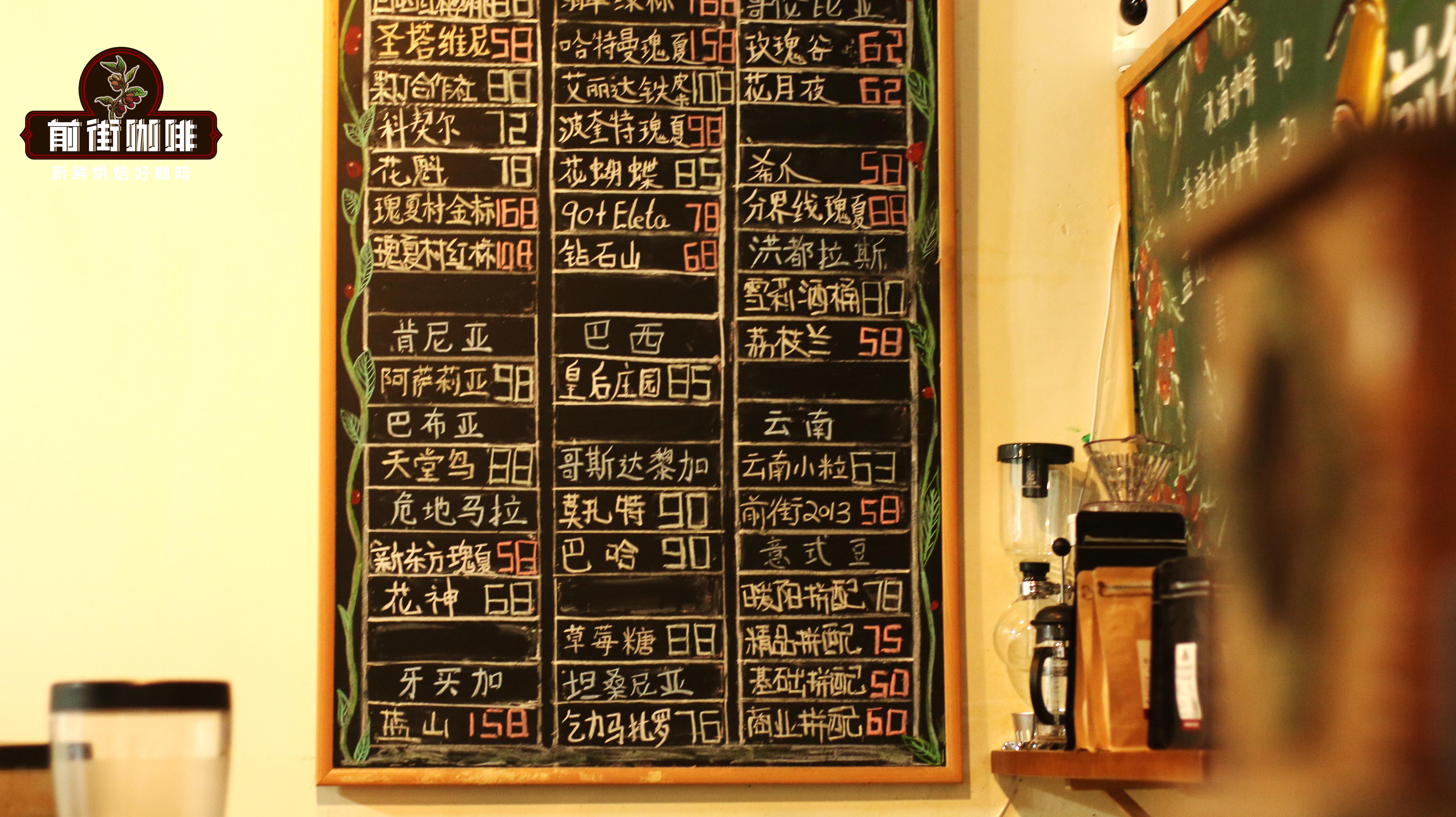
Asian coffee occupies a unique position in the specialty coffee world with its rich, steady character. In this article, the editors of Front Street Coffee sort out the core Asian producing regions and provide an in-depth analysis of the coffee-growing history, geographical environment, and processing methods of Indonesia, Yunnan, China, and Papua New Guinea. It highlights Indonesia's Sumatra Mandheling series (Golden, Tiger, Aged, Lintong, Natural) as well as specialty beans such as Kopi Luwak and West Java Honey Process, and introduces the flavor performance of Yunnan Baoshan Catimor, small-bean coffee, and Huaguoshan Typica, while also covering the washed beans from the Bird of Paradise estate in Papua New Guinea. Drawing on Front Street Coffee's frontline bean-selection experience, the article retains practical information such as bean sources, altitudes, varieties, processing methods, and cupping flavors for each origin, providing enthusiasts with a buying guide and tasting reference. [more…]
A Complete Analysis of Panamanian Coffee Varieties and Origins: The Flavor Code of Light Body and Balanced Acidity
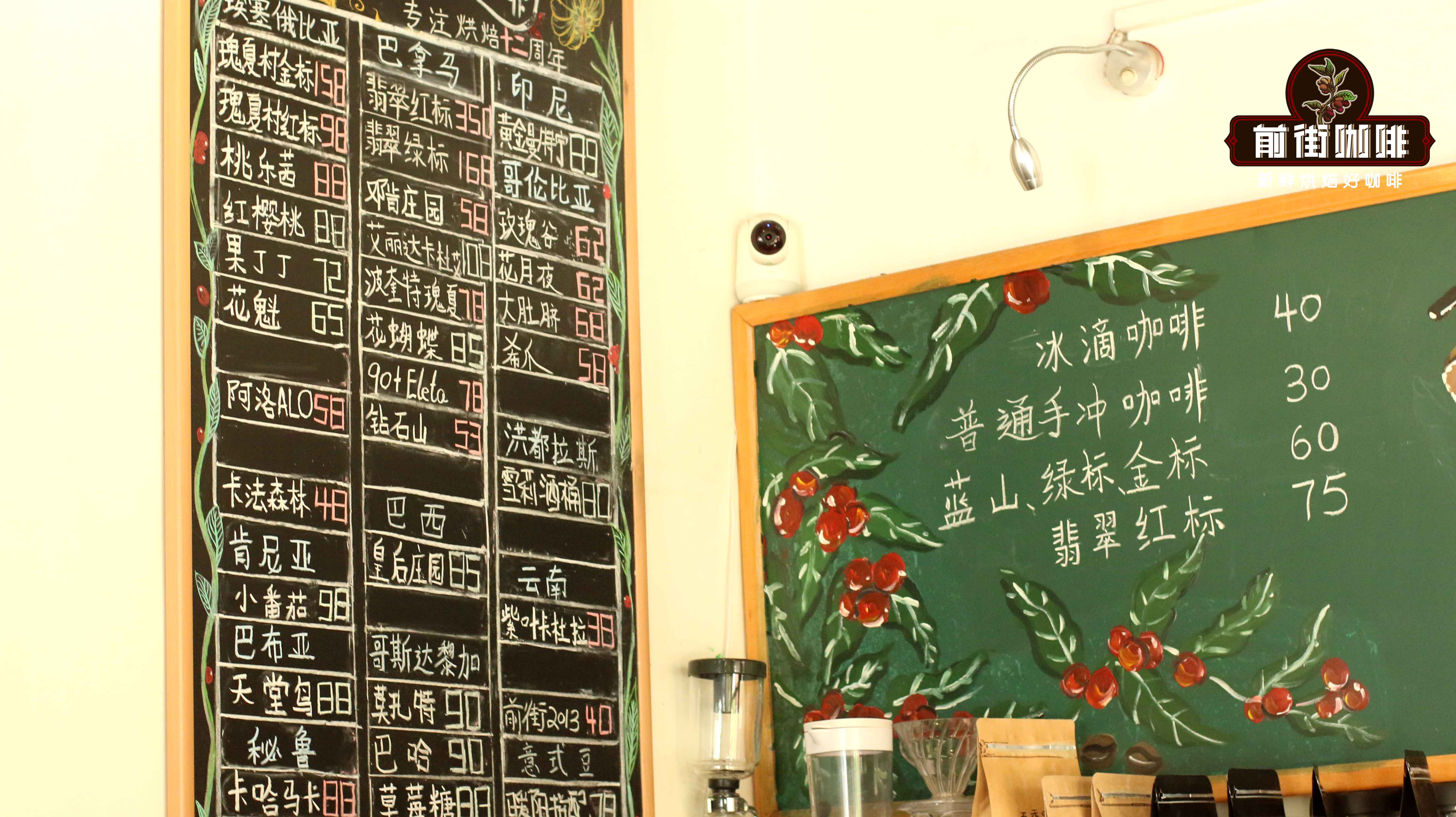
Although Panama is a small country, it occupies a pivotal position in the world of specialty coffee. From coffee's first arrival in 1742 to the global craze for Geisha today, this volcanic land nestled between two oceans has given rise to coffees with distinctive flavors. This article will guide you through the historical threads of Panamanian coffee, the geographical advantages of the three major producing regions in Chiriquí Province, and the brewing essentials for the washed Geisha from the Boquete region recommended by Front Street Coffee. Whether you are a newcomer just getting into specialty coffee or an enthusiast wanting to delve deeper into Panamanian coffee culture, you will find knowledge and stories worth savoring. [more…]